

People are entitled to the free NHS flu vaccine if they are aged 65 and over, have certain health conditions, are pregnant, are a carer or frontline health or social care worker, or live with someone who is immunocompromised. The vaccine takes around 2 weeks to become effective, meaning this clinic offers the perfect opportunity to get protected before the festive season.
Pregnant women and older people are also urged to get their RSV vaccine this winter, while the pneumococcal vaccine is available to people aged 65 and over, and the Covid-19 vaccine is available to people aged 75 or over (including those who will be 75 by 31 January, 2026), people aged from 6 months to 74 years who have a weakened immune system, and people who live in a care home for older adults.
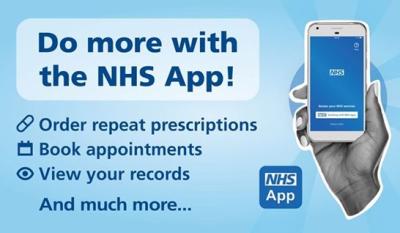
People can check their eligibility for all winter vaccinations, and book appointments as required, at NHS | Winter vaccinations and winter health, via the NHS App, or by calling 119.
Alongside vaccinations, there are other measures people can take to reduce the spread of winter illnesses.
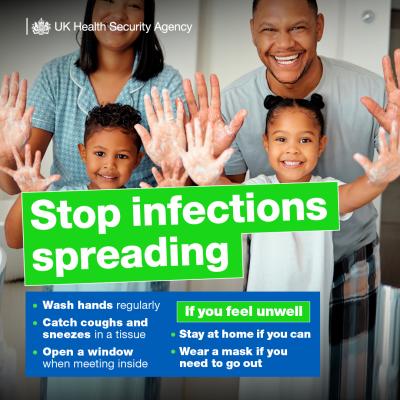
Anyone experiencing symptoms of flu or Covid-19, such as a high temperature, cough, or feeling tired and achy, should minimise contact with others, particularly those who are more vulnerable, to help prevent viruses from spreading. People are advised to stay at home if they do not feel well enough to work or carry out normal activities, and to wear a mask if they need to go out.
Washing hands regularly, using and disposing of tissues properly, and ensuring indoor spaces are well ventilated can all help to reduce the spread of respiratory infections.
Norovirus is also more common during the winter months. People who experience diarrhoea and vomiting should not attend work, school or nursery until 48 hours after their symptoms have passed, and should avoid preparing food for others, or visiting hospitals and care homes. Washing hands with soap and warm water and cleaning surfaces with bleach based products are effective ways to stop norovirus spreading, as alcohol gels do not kill the virus.
Residents are also reminded that antibiotics do not work against viral infections such as colds, flu, Covid-19, most coughs and sore throats.
Meanwhile, keeping warm over the winter months can help prevent colds, flu and more serious health problems such as heart attacks, strokes, pneumonia and depression. The NHS advises people head their home to a temperature that’s comfortable, and at least 18°C in the rooms that are regularly used, such as living rooms and bedrooms.
Further advice on staying well this winter is available on the NHS website, NHS | Stay Well.
Councillor Obaida Ahmed, Cabinet Member for Health, Wellbeing and Community, said: “Winter can be a challenging time for many, but by taking simple steps we can all help protect ourselves and those around us. Washing hands regularly, staying home when unwell, and getting vaccinated are small actions that make a big difference.
“I encourage everyone eligible to take advantage of the mobile flu vaccination clinic in Queen Square on Monday – it’s quick, easy, and could help keep you and your loved ones safe this festive season.”